Small cuts are common and can often be managed safely with simple care at home. Proper attention helps the skin recover comfortably while reducing irritation and supporting natural healing. Using gentle techniques and keeping the area clean can make a big difference in recovery.
Stay Calm and Check the Cut
The first step is to carefully examine the cut before taking action. Many small cuts only affect the outer layer of skin and improve with basic care.
Look for These Signs of a Minor Cut
- Light bleeding that slows quickly
- Shallow skin damage
- Clean edges around the cut
- Mild discomfort instead of severe pain
- No large swelling or deep tissue exposure
If the cut appears small and manageable, simple first aid steps are usually enough.
Clean the Area Gently
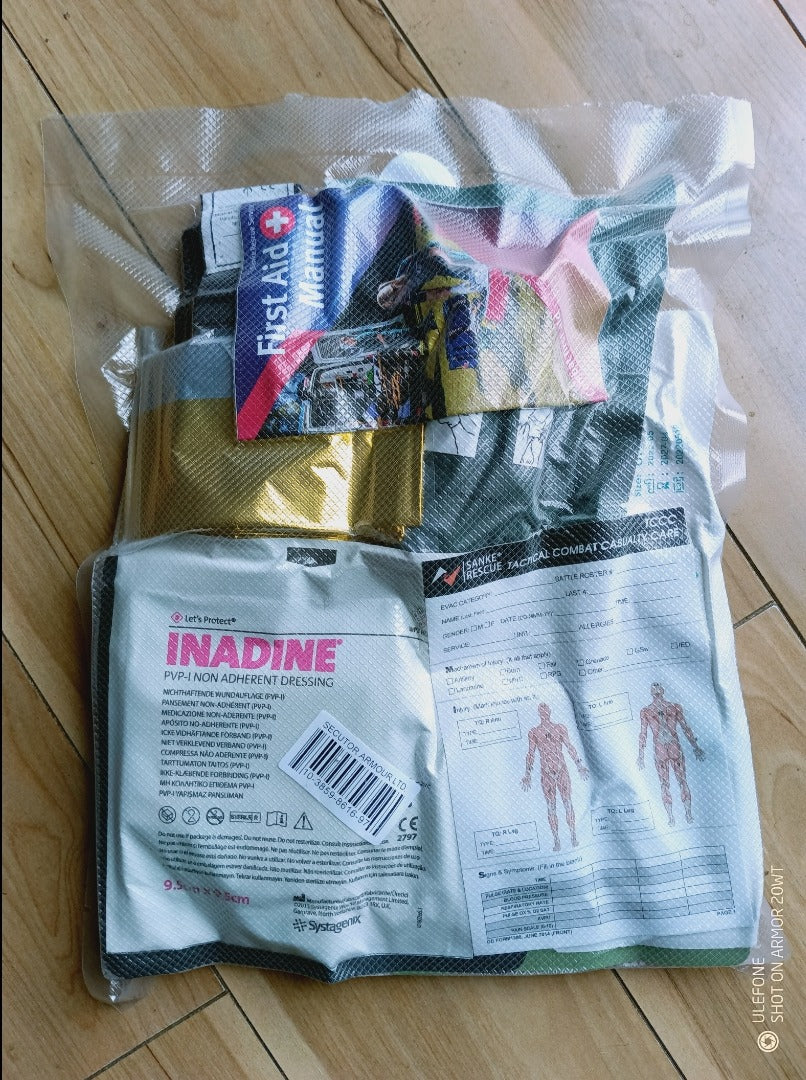
Keeping the cut clean helps protect the skin and encourages how to close a cut without stitches healthy healing. Gentle cleaning removes dirt and lowers the chance of irritation.
Helpful Cleaning Tips
- Wash hands before touching the cut
- Rinse the area with clean running water
- Use mild soap around the skin carefully
- Pat the area dry with a soft cloth
- Avoid rubbing the wound harshly
Clean skin creates a better environment for recovery and comfort.
Control Minor Bleeding
Small cuts may bleed briefly, but steady pressure usually helps stop it quickly.
Simple Ways to Slow Bleeding
- Apply light pressure with clean gauze or cloth
- Keep the affected area elevated if possible
- Stay relaxed while waiting for bleeding to slow
- Replace wet cloths with clean ones if needed
Bleeding from small cuts often stops within a short period.
Protect the Cut during Healing
Covering the area can help keep out dirt and reduce friction from clothing or movement.
Ways to Protect the Skin
- Use a clean bandage or dressing
- Change coverings regularly
- Keep the area dry between cleanings
- Avoid scratching or picking at the skin
- Wear comfortable clothing around the injury
Protection supports smooth healing and helps the skin remain comfortable.
Support Natural Recovery
The body repairs small cuts naturally when given proper care and healthy conditions.
Healthy Habits That May Help
- Drink enough water daily
- Eat balanced meals with nutritious foods
- Get enough rest each night
- Avoid unnecessary pressure on the cut
- Keep the surrounding skin clean
Good daily habits can support the body’s natural repair process.
Watch for Signs of Irritation
Even small cuts should be monitored while healing. Paying attention to changes helps ensure the skin stays healthy.
Signs That Need Extra Attention
- Increasing redness
- Swelling that worsens
- Warmth around the area
- Thick discharge
- Ongoing pain or bleeding
Seeking professional advice may be helpful if symptoms become more noticeable.
Encourage Safe Healing Habits
Simple precautions can make recovery easier and more comfortable.
Useful Everyday Reminders
- Avoid touching the cut unnecessarily
- Keep personal items clean
- Replace dirty dressings promptly
- Be gentle when washing the area
- Allow the skin time to recover naturally
Caring for small cuts without advanced treatment is often simple when proper steps are followed. Gentle cleaning, protection, and healthy habits can help the skin recover comfortably. Staying attentive during the healing process supports better results and encourages safe recovery for everyday minor injuries.
